




About Service
Scabies is a common ailment that can cause intense itching, especially at night. It is a contagious skin condition caused by microscopic mites that burrow under the skin. In Wales this condition is treated for free under the Common Ailments scheme.
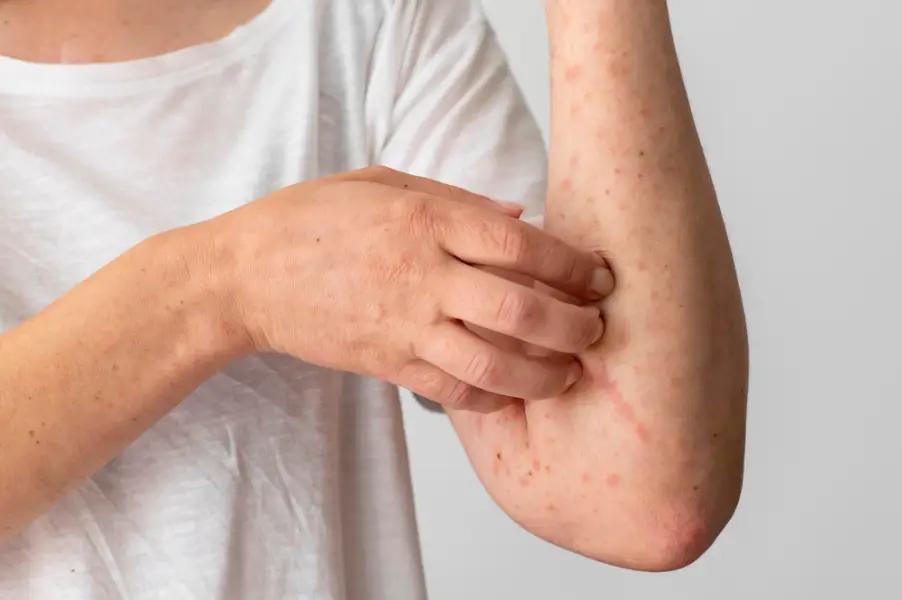
Safe, effective treatments available
Treatment Options and Guidance
Treatment usually involves applying a prescribed topical scabicide such as permethrin 5% cream to the entire body from the neck down, leaving it on for the recommended time before washing off. In some situations, particularly for crusted scabies or institutional outbreaks, oral ivermectin may be used under medical supervision. It’s vital to treat household and close contacts at the same time to prevent immediate reinfestation. Follow product instructions carefully, avoid treating infants or pregnant people without professional advice, and contact your pharmacist or GP if symptoms persist or worsen after treatment.
Topical permethrin cream
Oral ivermectin for some cases
Single-dose or repeat dosing
Launder bedding and clothing
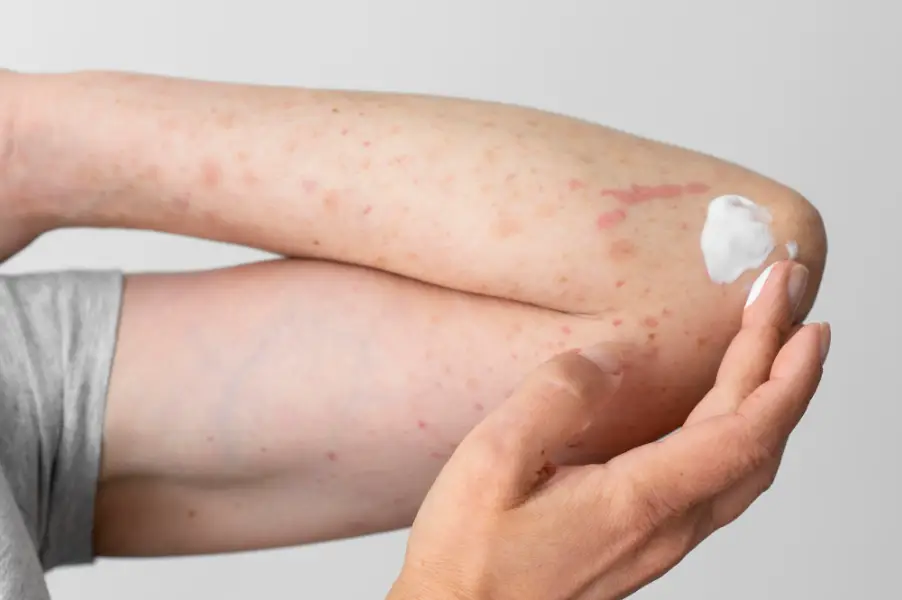
Contagious
Spreads by prolonged skin contact
Diagnosis
Clinical exam; sometimes skin scraping
Treatment Time
Symptoms may continue while reaction settles
Get advice if symptoms persist
When to See a Pharmacist or Doctor
See your pharmacist for initial advice and help choosing or obtaining appropriate treatments. Pharmacists can explain application, timing and household measures. Seek GP review if you are pregnant, breastfeeding, very young, elderly, immunocompromised, or if the rash is widespread, shows signs of infection (increased redness, swelling, oozing), or if treatment does not improve symptoms. Prompt professional advice ensures safe, effective management and reduces the chance of ongoing transmission.
Frequently Asked Questions
Common questions addressed to help you manage scabies effectively at home and know when to seek professional care.
How long does scabies last?
With correct treatment the mites are usually killed quickly, but itching from the skin’s allergic response can continue for several weeks. If new burrows appear or symptoms persist beyond four weeks, seek reassessment.
Can scabies be cured?
Yes. Proper treatment of the affected person and close contacts, along with hygiene measures, will cure scabies. Follow instructions carefully and repeat treatment if recommended by a clinician.
Is scabies sexually transmitted?
Scabies spreads through prolonged skin-to-skin contact, which can include sexual contact. It is not limited to sexual transmission and can spread in households, schools and care settings.
Can pets spread scabies to humans?
Animal scabies mites can cause temporary itching in humans but usually do not establish a full infestation. Treat affected pets via a veterinarian and seek advice if human symptoms persist.
Do I need to stay off work or school?
You can generally return to work or school after the first treatment once applied; ensure household contacts are treated too. For outbreaks in institutions follow local health guidance and speak with your pharmacist or GP for specific advice.