




About Service
Ringworm is a common ailment that can cause itchy, red, circular rashes on the skin. Luckily, the NHS offers a free service in Wales to diagnose and treat this fungal infection. Don't let ringworm linger, visit your local healthcare provider for the proper treatment and get clear, healthy skin.
Quick facts
What is Ringworm?
Ringworm (tinea) is a common superficial fungal infection affecting skin, scalp, feet and nails. It often appears as a red, circular, scaly patch that may be itchy or slightly raised. Transmission occurs via direct skin contact with an infected person, animal or contaminated surfaces like towels and floors. Most cases respond well to topical antifungal creams or powders applied for the recommended duration; more severe or scalp infections may require oral antifungals. Good hygiene, keeping skin dry, and avoiding shared personal items reduce spread and recurrence.
Highly contagious fungal infection
Usually clears in weeks with treatment
Keep affected area clean and dry
Use topical antifungals as directed
Symptoms
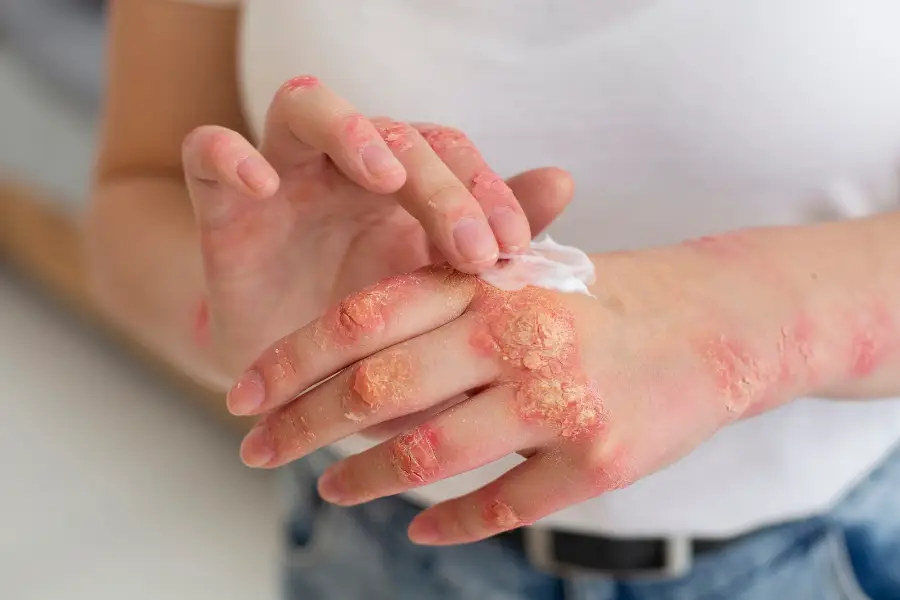
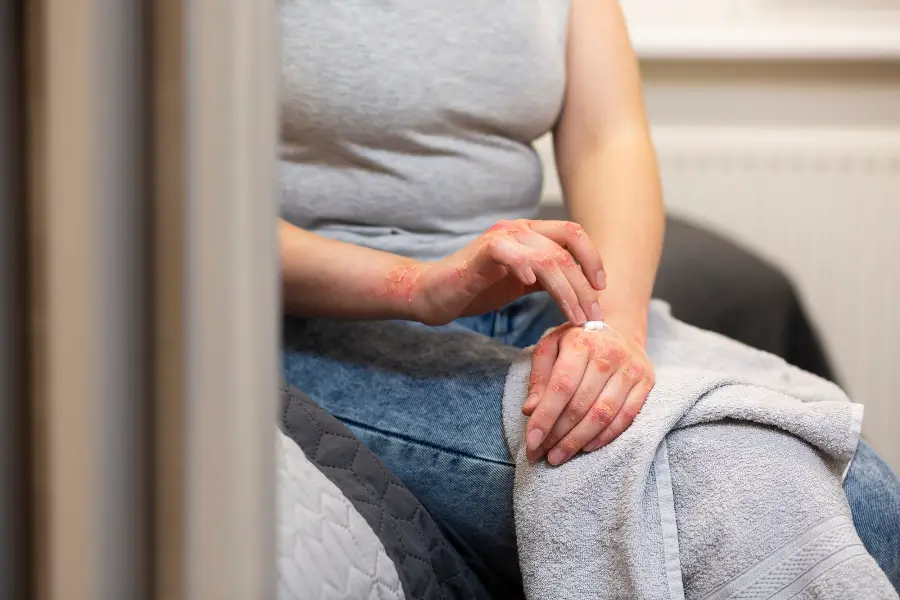
Itchy, circular, red and scaly patches on skin or hair loss on the scalp.
Treatment Options
Topical antifungals for skin; oral antifungals for scalp or severe cases.
When to See Help
If infection spreads, is severe, in children or does not improve after treatment, consult a pharmacist or GP.
Frequently Asked Questions
Answers to frequently asked questions about recognising, treating and preventing ringworm.
What are common ringworm symptoms?
Red, circular or ring-shaped scaly patches, often itchy; may blister or spread outward with clearer centre.
How is ringworm treated?
Most skin cases respond to topical antifungal creams applied as directed for at least two weeks; more severe or scalp infections may need oral antifungal medication.
Can I catch ringworm from pets?
Yes. Pets, especially cats and dogs, can carry the fungus. Wash hands after handling pets and see a vet if your animal shows patches of hair loss.
When should I see a pharmacist or GP?
See a pharmacist for first-line advice and OTC creams. Visit a GP if it’s on the scalp, nails, widespread, very inflamed, in young children, or not improving after treatment.
How can I prevent recurrence?
Keep skin dry, avoid sharing towels or clothing, wash bedding regularly, treat infected pets and use antifungal powder in shoes if feet are affected.
Need help?
When to Seek Help
If a rash is spreading, very painful, bleeding, or doesn’t improve after two weeks of treatment, seek pharmacist or GP advice. Children, babies and those with weakened immune systems should be assessed promptly. Pharmacists can recommend suitable OTC antifungals, advise on application and hygiene, and refer you to a GP when oral therapy or further assessment is needed.