



About Service
The Eye Infection Service in Wales is an invaluable resource for tackling eye infections. From conjunctivitis to dry eyes, their team of experts provides excellent care and treatment for all. Don't let eye issues go unresolved, seek help from the Eye Infection Service today.
Recognise the signs
Symptoms and When to Seek Help
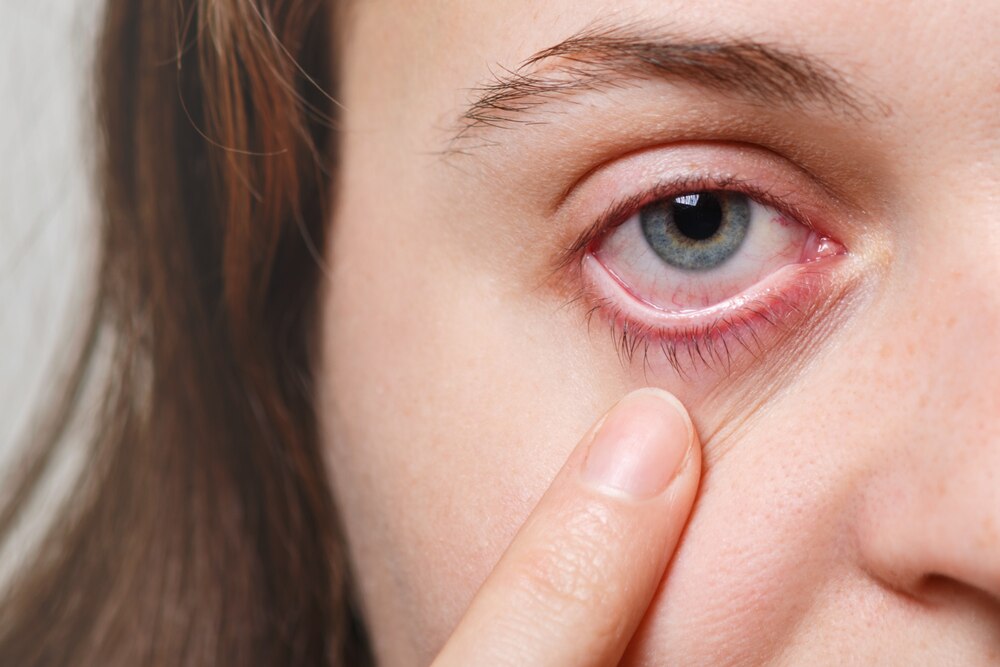
Typical signs of an eye infection include redness, gritty discomfort, discharge or crusting, tearing and sensitivity to light. Viral infections often start in one eye and can spread to the other, while bacterial infections can produce thicker coloured discharge. Allergic reactions also mimic infection but usually cause itching and both eyes affected simultaneously. Monitor symptoms closely: look for worsening pain, reduced vision, intense redness, or fever. If any of these occur, seek prompt professional care. Early recognition helps prevent complications and speeds recovery.

Personalised care at the pharmacy
Pharmacy Support & Prevention
Our pharmacy offers tailored advice for safe home care and when to escalate treatment. We can advise on hygiene, appropriate symptomatic treatments and correct administration of eye drops or ointments. For contact lens wearers we explain lens care and when to stop lens use. We also guide on red flags that require GP, optometrist or emergency assessment. If prescription treatment is needed, we can liaise with local prescribers or direct you to urgent services. Our goal is fast, clear, and practical support to protect your sight.
Reduce infection spread
Proper eye drop use
Early treatment matters
Follow-up advice given
When to Visit
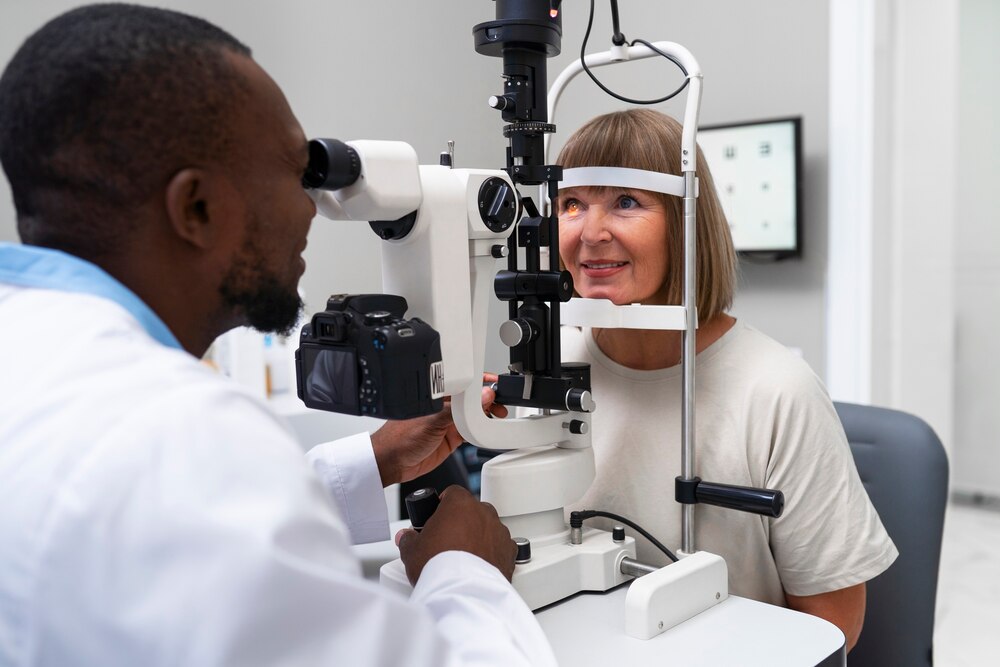
Seek urgent care for severe pain or vision loss.
Self-care
Clean lids with warm compresses and avoid sharing towels.
Medications
Antibiotic drops for some bacterial infections; pharmacist can advise.
Frequently Asked Questions
Answers to common concerns about eye infections.
Can I use contact lenses with an eye infection?
No — stop wearing contact lenses until the infection has resolved and you have cleared your lenses and case. Wearing lenses can worsen infection and delay healing.
Are antibiotic eye drops always needed?
Not always. Viral and allergic causes don't respond to antibiotics. A pharmacist can help identify likely causes and advise if you should see a GP for prescription drops.
How should I apply eye drops correctly?
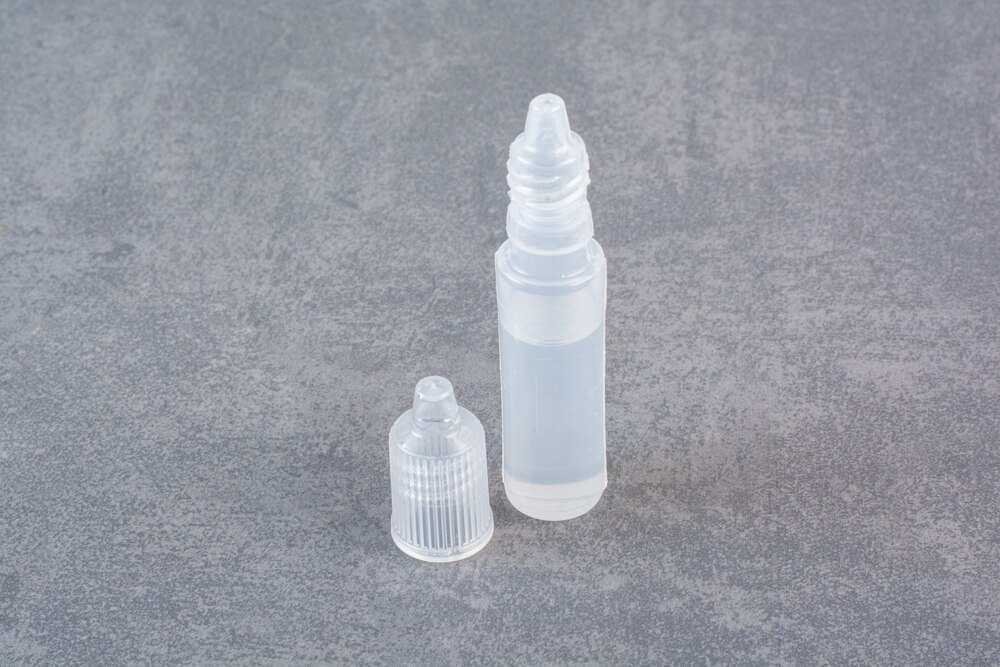
Tilt your head back, pull down the lower lid to make a pocket and squeeze the prescribed drop without touching the eye. Wait a few minutes before using other drops.
When should I go to A&E for an eye problem?
Attend emergency care for sudden vision loss, intense pain, chemical exposure to the eye, or if injury has occurred. These are urgent situations.
Can eye infections spread to others?
Yes — many are contagious. Avoid close contact, sharing towels or makeup, and wash hands frequently to reduce spread.
Trusted pharmacy guidance
Safe Eye Care
We provide clear, practical advice on managing eye infections, recommend suitable over-the-counter treatments and explain when to seek further medical care. Our aim is to help you recover quickly while protecting your vision.