



About Us
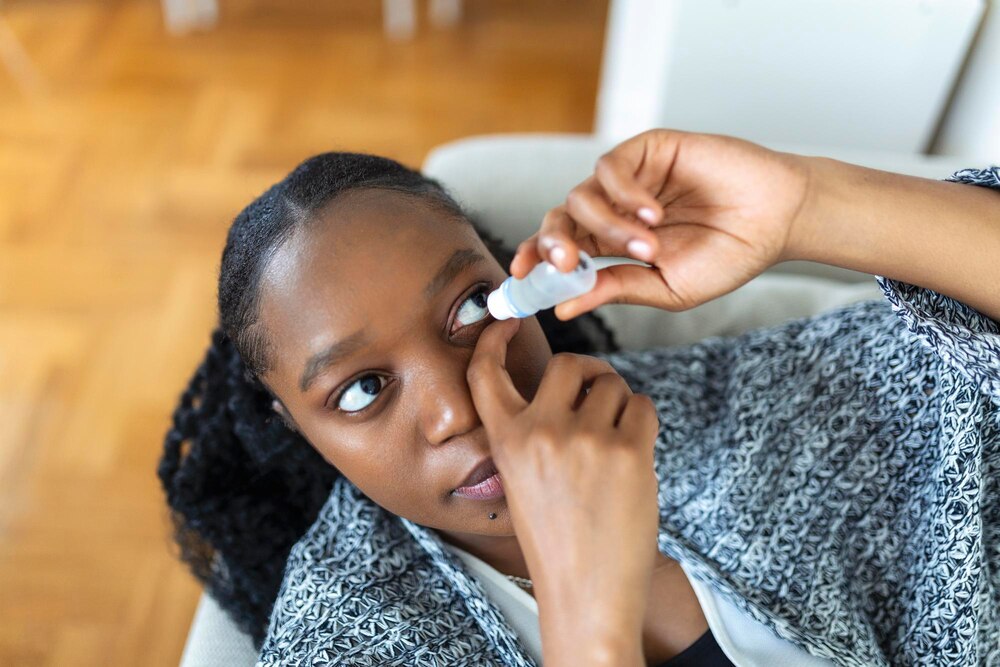
The Dry Eyes Service in Wales is an essential resource for treating the common ailments associated with this condition. With specialized care and innovative treatments, patients can find relief from discomfort and improve their overall eye health. Don't let dry eyes affect your daily life, visit the service today.
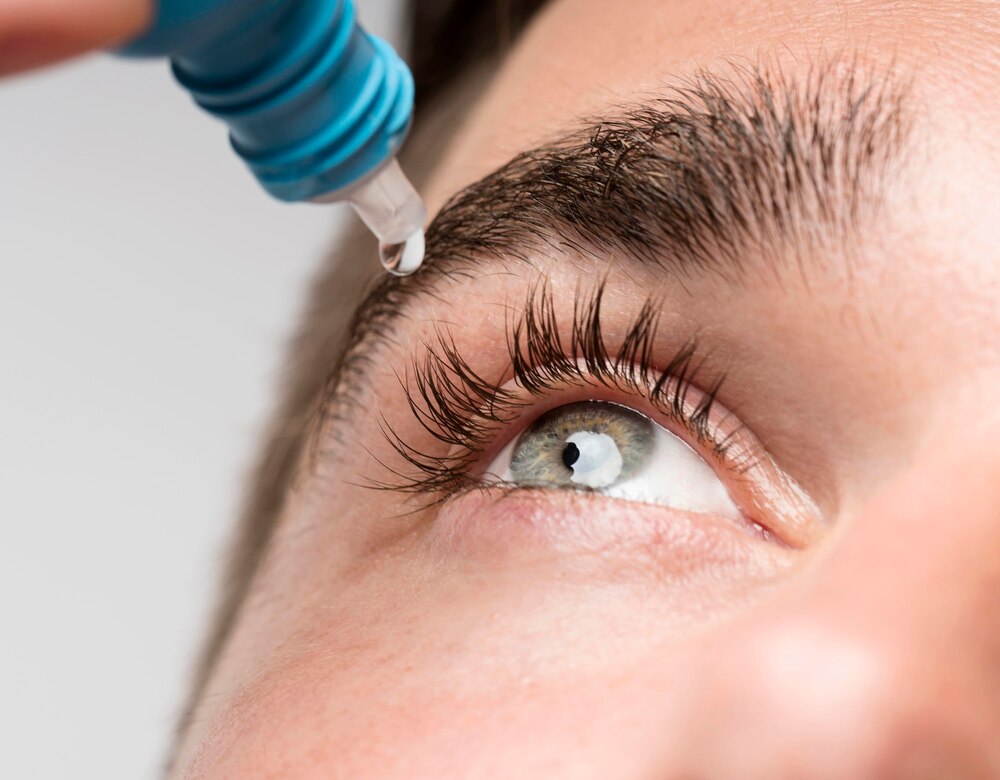
Lubricating Eye Drops
Replace moisture and soothe irritation
Prescription Options
For persistent or moderate cases
When to Seek Help
If vision changes or pain occur
Dry Eyes: Frequently Asked Questions
Quick answers to common concerns about dry eyes, symptom management and when to see a clinician.
What causes dry eyes?
Causes include reduced tear production, increased tear evaporation, contact lens wear, certain medications, aging and environmental factors like wind or low humidity.
Are eye drops safe to use daily?
Preservative-free lubricating drops are safe for frequent use; some preserved drops can irritate if used many times daily. Follow label guidance or ask a pharmacist.
When should I see a doctor?
See a clinician if you have severe pain, sudden vision changes, persistent redness, or if symptoms don’t improve with self-care.
Can diet help my dry eyes?
Omega-3 supplements may help some people; a balanced diet and hydration support overall eye health.
Do contact lenses worsen dry eyes?
Contacts can exacerbate dryness; consider daily disposables or lenses designed for dryness and follow proper care routines.
Managing dry eyes with contact lenses
Contact Lens Comfort
Contact lenses can make dry eye symptoms more noticeable because the lens interacts with the tear film. If you experience discomfort, try reducing wear time, switching to lenses designed for dry eyes, or using rewetting drops approved for use with contacts. Always follow your eye care practitioner’s guidance on lens cleaning and replacement. In some cases, a change in lens material or daily disposables can significantly improve comfort. If problems persist, remove lenses and consult a professional to rule out infections or other complications and to discuss alternative vision correction options.

Small changes, better comfort
Simple Daily Steps
Blink regularly during prolonged screen use, stay well hydrated, avoid direct heating or cooling flows to your face, and consider a humidifier in dry indoor environments. Sunglasses and wide-brimmed hats help outdoors. These straightforward adjustments often relieve mild symptoms quickly and reduce flare-ups.
Clinic and over-the-counter options
Treatments and Support
A stepped approach is used for dry eye management. Start with lifestyle and environmental adjustments and over-the-counter lubricants. If symptoms persist, clinicians may prescribe anti-inflammatory drops, tear stimulants, or suggest procedures like punctal plugs to conserve tears. Regular follow-up and tailored treatment plans are important because dry eye can be chronic and multifactorial. Pharmacists can advise on suitable non-prescription products and when to refer for specialist assessment.
Over-the-counter relief options
Clinical treatments when needed
Long-term management may be needed
Ask a pharmacist for advice