


About Service
Dermatitis is one of the common ailments that the Service Wales, a government health initiative, aims to target and provide solutions for. With their comprehensive resources and trained medical professionals, the people of Wales can receive the necessary care and information to effectively manage and treat this skin condition.
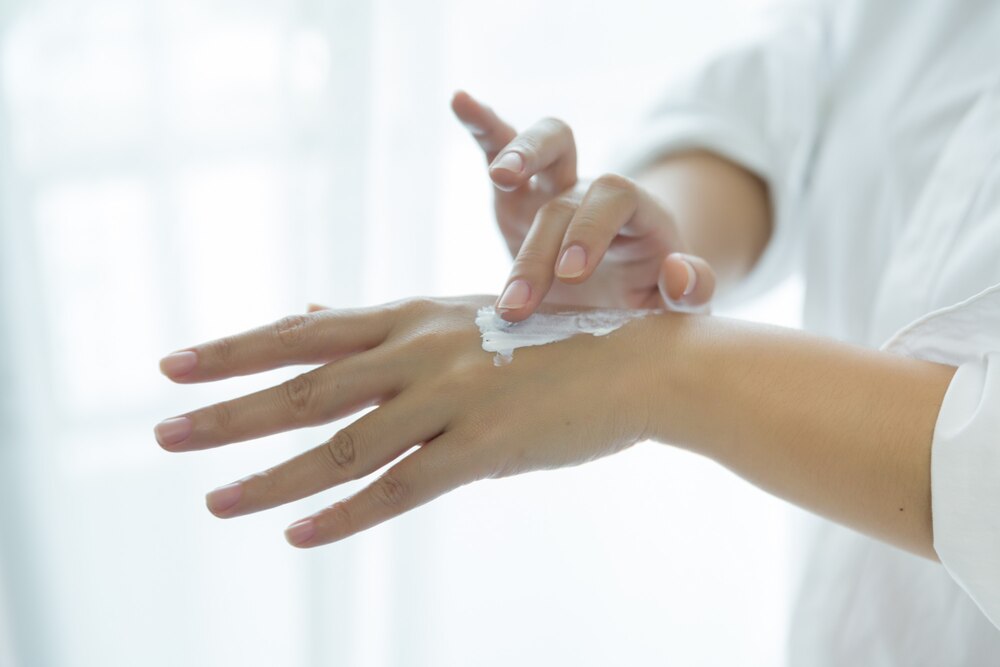
Simple steps to reduce symptoms.
Everyday Skin Care Tips
Early self-care for dermatitis includes gentle cleansing, frequent emollient use and avoiding known triggers like harsh soaps or fragrances. Use warm (not hot) water, pat skin dry and apply moisturiser immediately to lock in moisture. If itching disrupts sleep or daily activities, topical anti-inflammatory treatments may be recommended. Seek professional advice when symptoms worsen, signs of infection appear (increasing pain, pus, spreading redness) or over-the-counter options don’t help. Consistent care often reduces frequency and severity of flares.
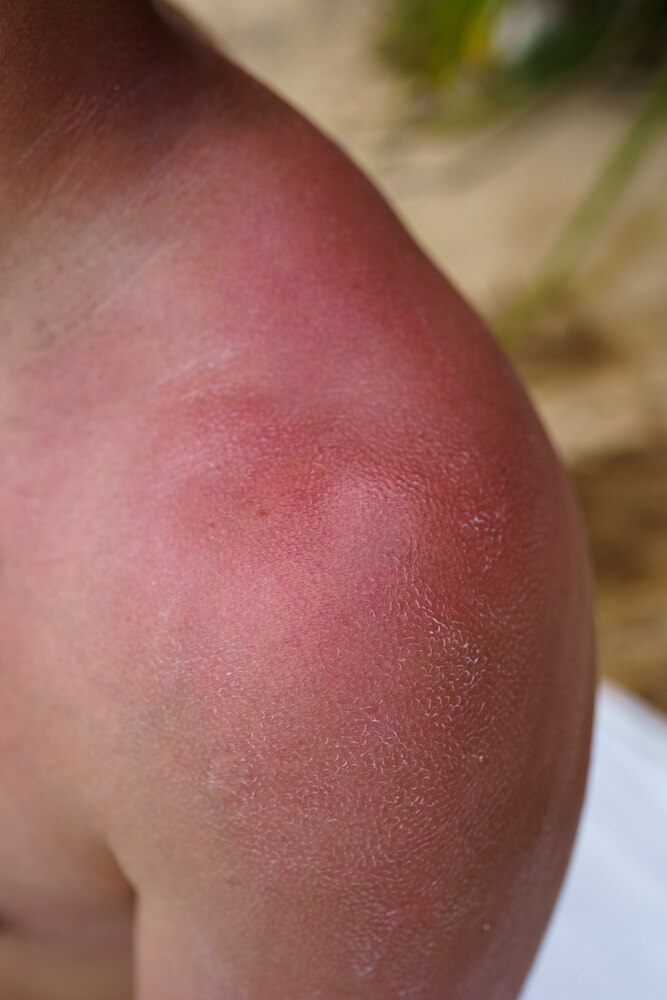
Skin Protection
Use emollients regularly, not just during flares.
When to Seek Help
See a clinician for severe or persistent dermatitis.
Trigger Management
Identify and avoid personal triggers where possible.
Key actions to improve skin health.
Practical Strategies and Key Actions
Combining practical measures with medical treatments offers the best outcomes for dermatitis. Regular emollient application repairs the skin barrier and reduces water loss, while topical anti-inflammatory medicines control redness and itch. Protective gloves and avoidance of triggers reduce occupational or household exposures. Tracking outbreaks and treatments helps clinicians tailor care and identify patterns. For complex cases, phototherapy or systemic medicines may be considered under specialist supervision. Prompt attention to infections and adherence to a daily skin routine improves quality of life.
Moisturise immediately after washing
Avoid known irritants and harsh soaps
Use topical treatments as directed
Keep a flare-up diary
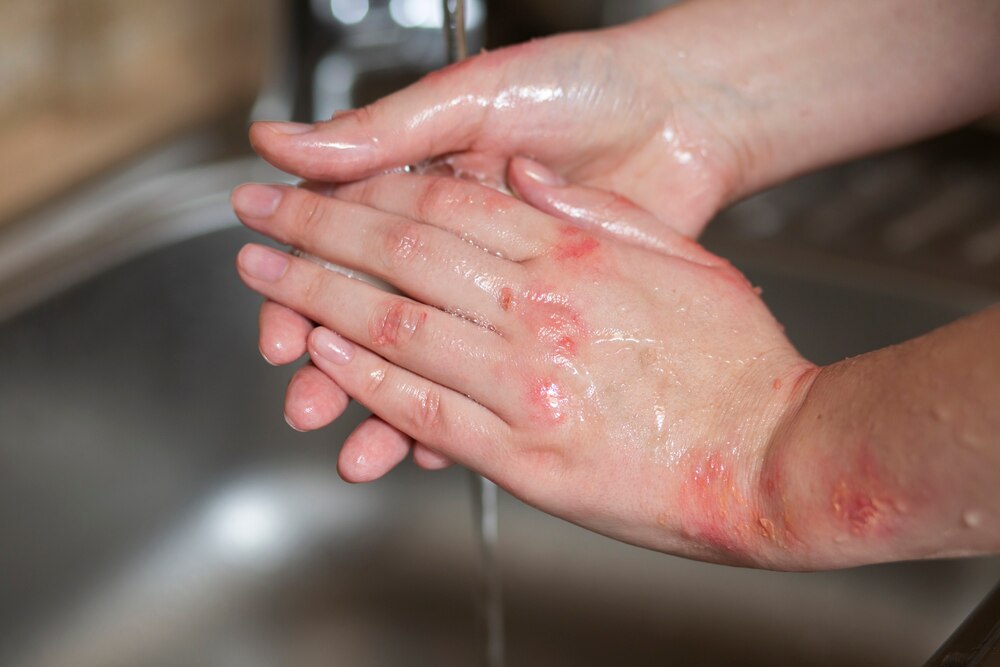
Frequently Asked Questions
Common questions many people ask about dermatitis and practical, evidence-based answers.
What is the best emollient to use?
Choose a fragrance-free, non-irritating emollient you’ll use frequently; thicker ointments help overnight for very dry skin. Ask a clinician for product options if unsure.
When should I see a doctor for dermatitis?
See a clinician if symptoms are severe, persistent, affecting sleep or daily life, or if there are signs of infection like increased pain, warmth, pus or spreading redness.
Are topical steroids safe long term?
Used as directed, topical steroids are effective and generally safe. Long-term or unsupervised use can cause skin thinning; follow medical advice and use lowest effective potency.
Can diet affect dermatitis?
Diet may influence some individuals, especially when food allergies are involved. For most adults, routine dietary change is not routinely required; discuss concerns with a clinician.
How can I stop itching at night?
Apply a moisturiser before bed, keep nails short, use cool room temperature and consider antihistamines if recommended by a clinician for short-term relief.
Compassionate, practical guidance.
Supportive Advice for Living with Dermatitis
Dermatitis can be frustrating but manageable. A consistent skin care routine, avoiding triggers and following treatment plans reduces flares and improves comfort. Small daily habits—moisturising, gentle cleansing and protective measures—make a substantial difference. If you’re worried or symptoms change, early professional review prevents complications. Support and personalised advice are available to help you control symptoms and maintain skin health.
Age-related considerations and care.
Dermatitis Across Ages
Children and adults may experience different dermatitis triggers and responses. For children, use mild products, keep nails short and consider wet wraps for severe flares under guidance. Educating caregivers on regular moisturising and trigger avoidance can reduce flare frequency. Adults should review occupational exposures and lifestyle factors. Regular reviews help adjust treatments safely and maintain long-term skin health. If uncertain, request a clinical review to tailor therapies for age-specific needs.

Restoring and protecting the skin barrier.
Skin Barrier and Protective Measures
Barrier repair is central to dermatitis management. Emollients and barrier creams protect against irritants and reduce trans-epidermal water loss. Complementary measures include avoiding prolonged wet work, using gloves when appropriate and selecting laundry products for sensitive skin. When over-the-counter strategies are insufficient, prescription topical options or specialist referral may be needed. Coordinated care with a healthcare professional ensures safe, effective treatment and a plan suited to your lifestyle and symptom pattern.