


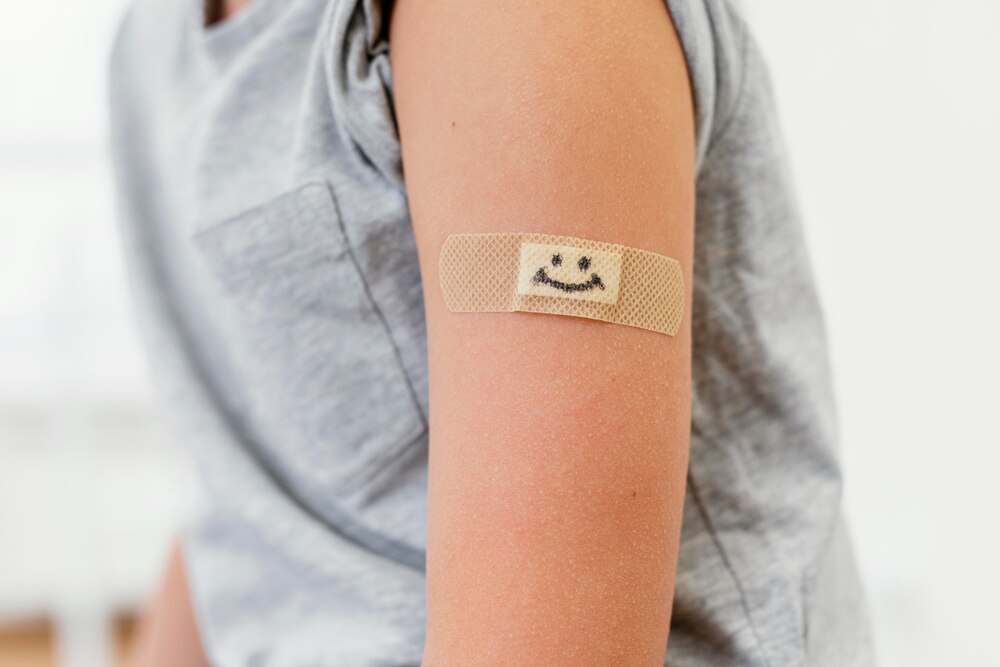

About Service
Our community benefits from a reliable cuts and grazes service in Wales, providing quick and effective treatment for common ailments. Whether it's a minor scrape or a deeper cut, this service offers accessible healthcare for all, allowing us to stay safe and healthy in our daily activities.
Immediate actions to protect the wound
Treating Cuts & Grazes
Start by washing your hands, then apply gentle pressure to stop bleeding. Rinse the wound with clean water to remove dirt and debris; avoid using cotton wool that can leave fibres behind. Apply an antiseptic if available and cover with a sterile dressing or plaster suitable for the wound size. Keep the area dry and change the dressing if it becomes wet or dirty. For deep, heavily bleeding or contaminated wounds, persistent bleeding, or if you have health conditions that affect healing, seek prompt medical or pharmacy advice.
Clean wound immediately
Change dressings regularly
Monitor for infection signs
Contact professional if needed
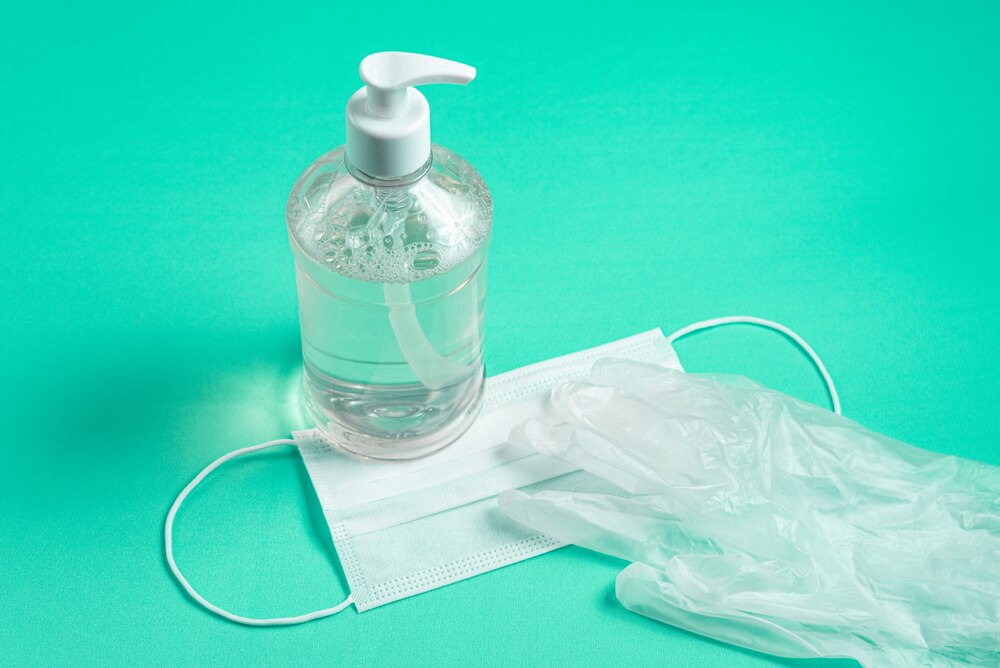
Clean
Rinse under running water to remove debris.
Control Bleeding
Apply gentle pressure until bleeding slows or stops.
Protect
Use sterile dressings and keep the area dry.
Further guidance and considerations
Aftercare and Practical Tips
Most minor cuts and grazes heal well with basic first aid and clean dressings. Replace dressings if they become damp or soiled, and avoid unnecessary touching of the wound. Over-the-counter antiseptic solutions and barrier creams can help reduce infection risk, but avoid harsh chemicals like hydrogen peroxide routinely as they may slow healing. Keep tetanus vaccinations up to date — speak to a pharmacist if unsure. If the wound shows increasing redness, swelling, pus, worsening pain, fever, or fails to start improving after a few days, seek medical review promptly.
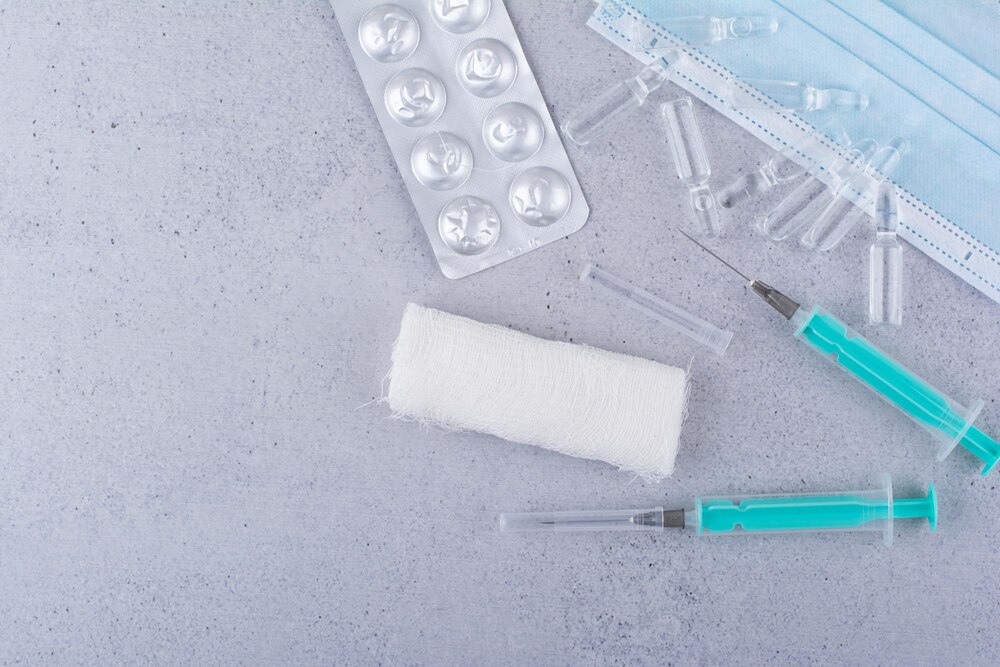
When to get professional advice
See a Pharmacist or Doctor If
If bleeding does not stop after 10–20 minutes of firm pressure, if the wound is deep, gaping, caused by a human or animal bite, or contains debris you cannot remove, seek prompt care. Also consult if you are unsure about tetanus immunisation status, if you have a medical condition that impairs healing, or if signs of infection develop. Our pharmacy team can advise on dressings, antiseptics, pain relief, and when to refer for further treatment.
Cuts & Grazes — Frequently Asked Questions
Short answers to common concerns.
Can I use antiseptic on every cut?
Gentle antiseptics are helpful for cleaning, but avoid harsh agents regularly; plain water and mild soap often suffice.
When should I change a dressing?
Change if wet, dirty, or at least daily to check healing and prevent infection.
Do I need antibiotics?
Most minor wounds don't need antibiotics. See a clinician if infection signs appear.
When is suturing necessary?
Deep, gaping wounds or cuts that keep bleeding may need stitches; seek urgent medical review.
Is tetanus a concern?
Tetanus risk depends on injury type and vaccination history; ask a pharmacist if unsure.