


About Service
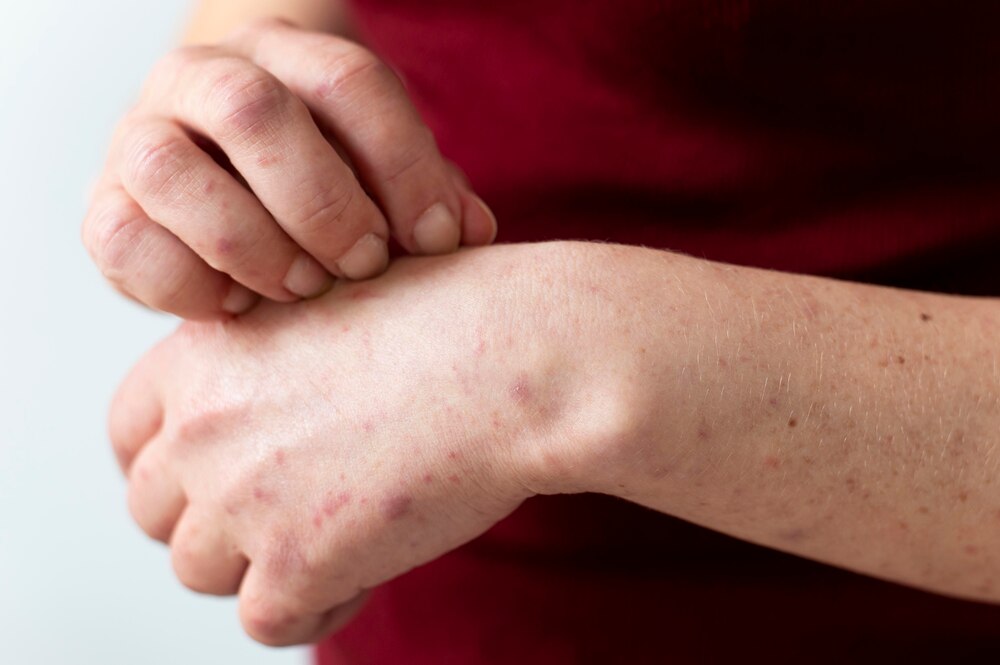
The Common Ailments Service in Wales provides convenient support for chickenpox. Our pharmacy team can assess your symptoms and, where appropriate, provide suitable advice and treatment to help relieve itching and discomfort.

Chickenpox (varicella) is a common viral infection that causes an itchy, blistering rash and systemic symptoms such as fever and malaise. It spreads easily via respiratory droplets and direct contact, and patients are usually contagious from 1–2 days before the rash appears until all lesions crust. Most healthy children recover with supportive care at home including hydration, fever control, and topical relief for itch. However, certain groups — newborns, pregnant people, and immunocompromised individuals — are at higher risk for severe disease and may require medical assessment, antiviral treatment, or inpatient care.
Highly contagious before and during rash
Most cases mild in children
Vaccination prevents severe illness
Seek urgent care for complications
What to expect during a medical consultation.
Diagnosis and Clinical Assessment
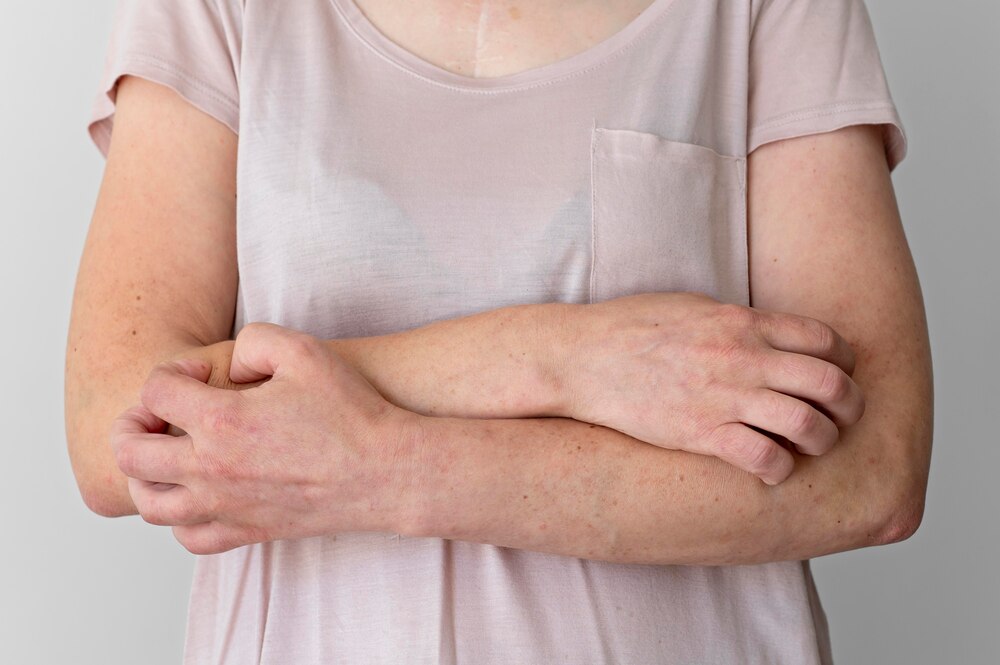
A chickenpox consultation begins with a clinical history and visual examination of the rash; laboratory tests are rarely needed in typical cases. Your clinician will assess symptom onset, vaccination history, exposures, and risk factors such as pregnancy or immune suppression. Treatment is mostly supportive: antipyretics, calamine lotion or antihistamines for itch, and plenty of fluids and rest. Antiviral medication (e.g., acyclovir) may be recommended for adults, pregnant people, neonates, or immunocompromised patients if started early. Telemedicine can often triage severity and advise home care or in-person follow-up when needed.

Symptoms
Fever, itchy rash, blisters, sore throat
Transmission
Airborne droplets and direct contact spread
Prevention
Vaccination and isolation reduce spread
Practical home care and prevention advice.
Home Care and Prevention
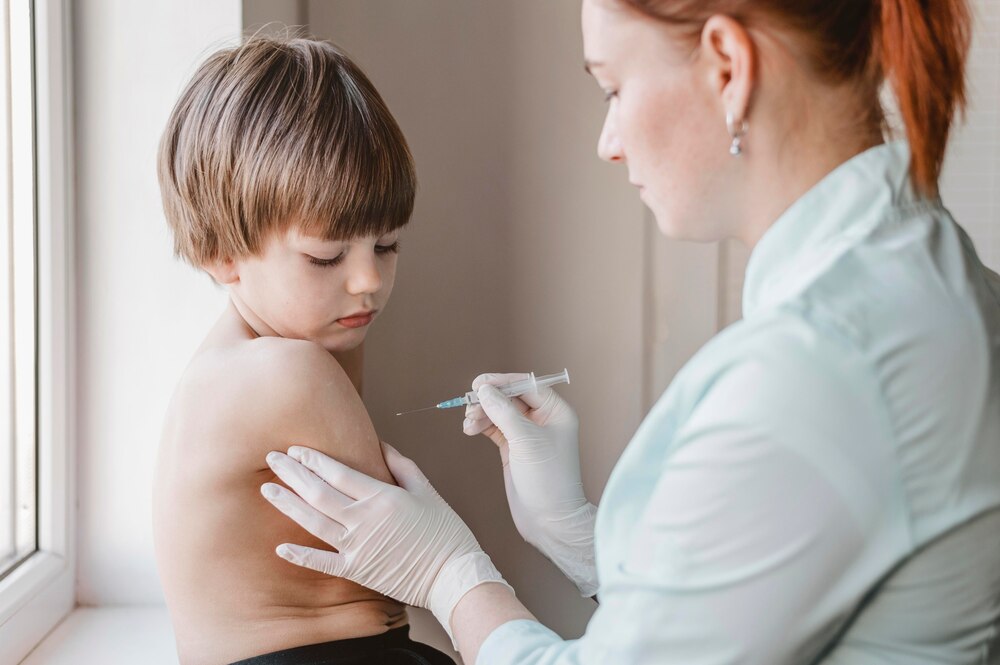
Home care focuses on comfort and preventing spread. Keep fingernails trimmed to limit skin damage, dress in loose clothing, and use soothing lotions or antihistamines for severe itch (as advised). Ensure separate bedding and avoid contact with high-risk individuals until all lesions have crusted. Keep hydrated and monitor for high fevers, severe headache, difficulty breathing, or signs of skin infection. Vaccination remains the best prevention: the varicella vaccine reduces disease severity and the risk of complications. Discuss immunization and post-exposure options with your clinician.
Frequently Asked Questions
Common questions answered for quick guidance.
How long is chickenpox contagious?
Contagious from about 1–2 days before the rash appears until all lesions have crusted, typically 5–7 days after rash onset.
Is there a specific treatment for chickenpox?
Most cases are treated with supportive care; antivirals like acyclovir are used for high-risk patients or severe disease and work best when started early.
Can I get chickenpox again?
Reinfection is uncommon; once recovered, most people have long-lasting immunity, though shingles (reactivation) can occur later from the same virus.
Should children with chickenpox stay home from school?
Yes — keep children isolated until all lesions have crusted to prevent spreading the virus to others.
Is the chickenpox vaccine effective?
Yes. Vaccination greatly reduces the risk of infection and typically results in milder illness if breakthrough infection occurs.
Quick Facts
During a chickenpox consultation clinicians verify symptoms, exposure history, and risk factors such as pregnancy or immune suppression. Most patients require only symptomatic care — fever control, hydration, and itch relief — while antivirals are reserved for higher-risk or severe cases. Isolation until lesions crust reduces transmission. The varicella vaccine is effective at preventing severe illness and is recommended where available. If you or a household member are at increased risk, seek medical advice promptly for possible antiviral therapy or tailored management.
Highly contagious viral infection
Itchy rash and fluid-filled blisters
Usually mild in children
Vaccination prevents severe disease